

Understanding Industrial Sewing Lights
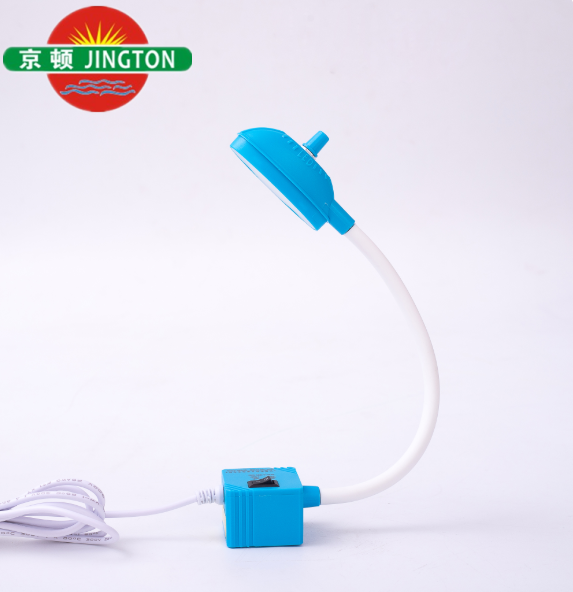
Industrial sewing light is an essential tool in garment manufacturing and textile industries, providing precise illumination for detailed work. These specialized lights are designed to enhance visibility during sewing operations, reducing errors and improving productivity. Unlike standard lighting, industrial sewing light offers adjustable brightness and focused beams that target the sewing area directly, making it indispensable for professionals handling intricate stitches and heavy fabrics.
Key Features of Industrial Sewing Lights
One of the standout features of industrial sewing light is its durability and energy efficiency. Constructed with robust materials like aluminum or high-grade plastics, these lights withstand the rigors of continuous use in busy workshops. Many models incorporate LED technology, which not only lasts longer but also consumes less power compared to traditional bulbs. Adjustable arms and clamps allow users to position the light exactly where needed, minimizing shadows and eye strain. Additionally, some advanced industrial sewing light options include dimmable settings and color temperature controls, enabling sewers to customize the lighting for different materials, such as vibrant fabrics that require neutral white light or darker ones that benefit from warmer tones.
Benefits for Productivity and Safety
Investing in a quality industrial sewing light can significantly boost workflow efficiency. By ensuring clear visibility, it helps prevent mistakes like uneven seams or missed threads, which are common in low-light conditions. This leads to higher output and reduced waste, ultimately saving costs for businesses. From a safety perspective, proper illumination reduces the risk of accidents, such as needle pricks or fabric mishandling, fostering a safer work environment. Workers report less fatigue after long shifts, thanks to glare-free designs that promote eye comfort. For small-scale tailors or large factories, integrating industrial sewing light into sewing stations is a smart move for maintaining high standards.
Choosing the Right Industrial Sewing Light
When selecting an industrial sewing light, consider factors like lumen output, which determines brightness levels—aim for at least 1000 lumens for optimal coverage. Portability is another key aspect; clamp-on or magnetic base models are ideal for flexible setups. Energy ratings and warranty periods should also influence your choice, ensuring long-term reliability. Popular brands offer models compatible with various sewing machines, from domestic to heavy-duty industrial ones. By prioritizing these elements, you can find an industrial sewing light that aligns with your specific needs, whether for home-based sewing or professional production lines.
Maintenance and Longevity Tips
To maximize the lifespan of your industrial sewing light, regular cleaning is crucial. Dust and thread residues can dim the output, so wipe the lenses gently with a microfiber cloth. Avoid exposing the unit to excessive moisture, and check electrical connections periodically for wear. LED-based industrial sewing lights typically require minimal maintenance, often lasting up to 50,000 hours. If issues arise, such as flickering, consult the manufacturer's guidelines or seek professional repair. Proper care ensures consistent performance, making your industrial sewing light a reliable partner in every stitching project.
In summary, industrial sewing light plays a pivotal role in elevating the quality and efficiency of sewing tasks. Its specialized design addresses the unique demands of the industry, offering illumination that standard lights simply can't match. Whether you're a novice seamstress or a seasoned manufacturer, incorporating this tool can transform your workspace into a more productive and safer haven.