

The Unseen Essential for Flawless Production
In the fast-paced world of industrial garment and textile manufacturing, precision is paramount. Every stitch, seam, and hem contributes to the final quality of a product, and operators work under immense pressure to maintain speed without sacrificing accuracy. While we often focus on the machine itself, the thread, or the skill of the operator, one of the most critical yet frequently overlooked factors is lighting. Inadequate illumination can lead to a cascade of problems, from operator fatigue to costly production errors. This is where specialized solutions from a trusted brand like jington become not just a helpful accessory, but an essential component for success, ensuring every detail is perfectly visible.
The High Cost of Working in the Shadows
Operating an industrial sewing machine without proper task lighting is a significant handicap. The standard overhead lights in a factory are often insufficient, casting shadows directly where the needle meets the fabric. This forces operators to strain their eyes for hours on end, leading to headaches, chronic eye fatigue, and a decrease in focus. The consequences extend directly to the quality of the work. It becomes incredibly difficult to sew straight lines, match thread colors accurately, or execute intricate patterns. This can result in a higher rate of rejected products, wasted materials, and missed deadlines. Furthermore, poor visibility increases the risk of accidents, turning a precision tool into a potential hazard. The hidden costs of poor lighting, in terms of lost productivity and compromised safety, are far too high to ignore.
A Purpose-Built Solution: The Jington Light for Industrial Sewing Machine
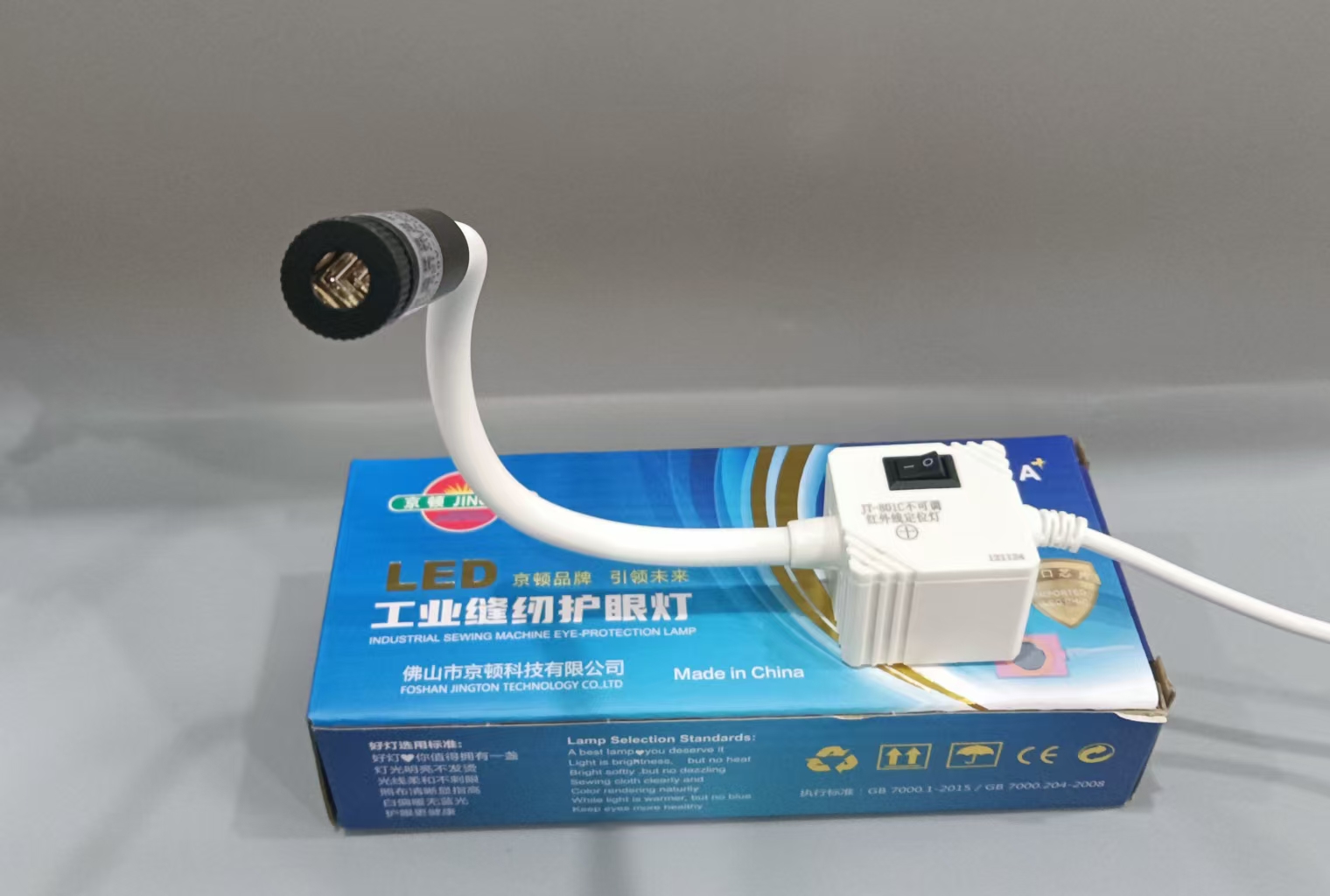
To combat these challenges effectively, a generic lamp is not enough. You need a solution designed specifically for the unique demands of the sewing environment. The jington light for industrial sewing machine is engineered to provide focused, brilliant illumination right at the needle plate. Typically utilizing advanced LED technology, these lights produce a bright, clear, daylight-quality beam that eliminates shadows and renders colors accurately. Unlike old incandescent bulbs, they generate very little heat, keeping the operator comfortable even during long shifts. Their robust construction is designed to withstand the vibrations and rigors of an industrial setting, promising longevity and reliable performance day after day. This specialized tool transforms the workspace from a poorly lit area into a zone of high visibility and precision.
Features Designed for Maximum Efficiency and Flexibility
What makes a jington light for industrial sewing machine such a powerful tool are its user-centric design features. Many models come equipped with a strong magnetic base, allowing for instant and secure mounting anywhere on the metal body of the sewing machine. This means no drilling or complicated installation is required. Paired with a flexible gooseneck or adjustable arm, the operator can position the light at the exact angle needed for any given task, whether it's standard stitching, attaching a zipper, or detailed embroidery. This adaptability is crucial, as different fabrics and operations require different lighting angles. The energy efficiency of the LED bulbs also means lower electricity costs and a longer lifespan, offering a fantastic return on a small investment. Choosing jington means opting for a durable, adaptable, and cost-effective lighting system.
Illuminate Your Way to Higher Productivity
Ultimately, upgrading your workstation with a high-quality lighting solution is a direct investment in your productivity and quality control. By providing operators with a clear, well-lit view of their work, you empower them to work faster, more confidently, and with a significantly lower error rate. This leads to less time spent on rework and fewer materials wasted, directly benefiting your bottom line. Moreover, improving the ergonomics of the workspace by reducing eye strain contributes to better operator morale and sustained concentration throughout the day. For any industrial sewing operation, from small workshops to large-scale factories, integrating a dedicated light is a simple step that yields substantial improvements in both product quality and overall efficiency.