


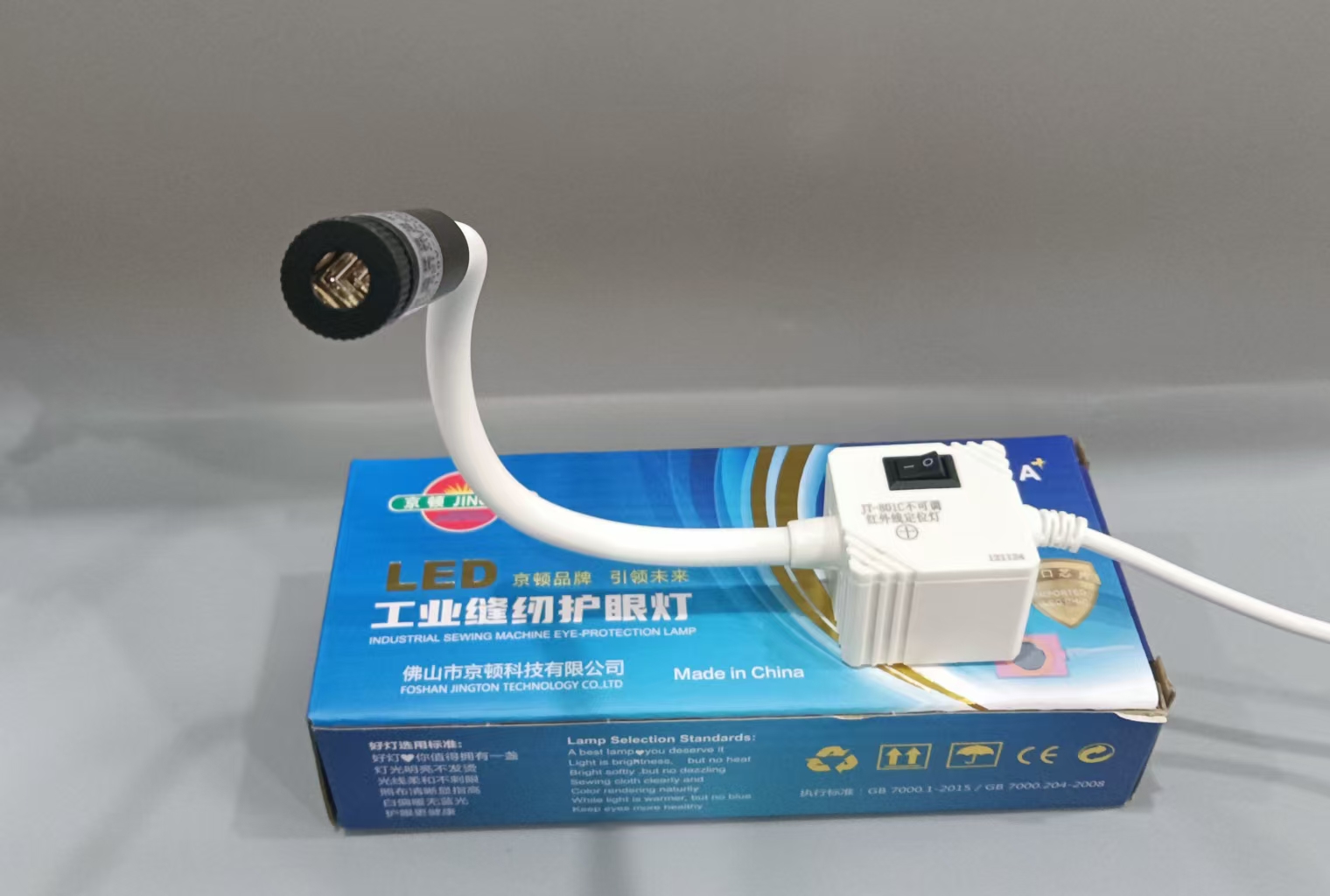
In any precision-focused environment, the quality of your tools and equipment directly impacts the quality of your output. While we often focus on the capabilities of CNC mills, lathes, and grinders, one of the most critical yet frequently overlooked components is the lighting. A high-quality machine tool work light is not just an accessory; it is an essential piece of equipment that ensures accuracy, enhances safety, and boosts operator productivity. Without adequate, targeted illumination, even the most skilled machinist operating the most advanced machinery is working at a significant disadvantage.
The Critical Role of Illumination in Precision Machining
Proper illumination is the bedrock of precision work. In machining, where tolerances can be measured in thousandths of an inch, the ability to clearly see the workpiece, cutting tool, and measuring instruments is non-negotiable. Poor lighting can cast shadows that obscure critical details, leading to miscalculations, tool misalignments, and costly errors in the final product. Furthermore, it significantly increases operator eye strain and fatigue over a long shift, which not only reduces concentration but can also lead to chronic discomfort. A dedicated machine tool work light eliminates these issues by providing bright, direct, and glare-free light exactly where it is needed, allowing operators to work with confidence and maintain the highest standards of quality.
Choosing the Right Machine Tool Work Light: Key Features
When selecting a light for your machinery, several key features should be considered to ensure it can withstand the demanding industrial environment. Durability is paramount; look for lights constructed from robust materials like anodized aluminum and with lenses made from tempered or shatterproof glass. The unit must be sealed and carry an appropriate IP (Ingress Protection) rating to resist coolants, cutting fluids, oils, and metal shavings. Brightness and light quality are also crucial. Modern LED technology is the industry standard, offering superior brightness (measured in lumens), excellent color rendering (CRI), and a long operational lifespan with minimal energy consumption. Finally, consider flexibility. Models with adjustable goosenecks or articulating arms, often paired with a strong magnetic base, provide the ultimate versatility, allowing the operator to position the light perfectly for any task without it getting in the way.
Exploring Different Types of Work Lights for Your Machinery
There are several types of lights designed to suit different machines and applications. The most common is the flexible arm task light, which is ideal for providing focused spotlights on the cutting area of a mill or lathe. For larger machines or enclosed CNC work areas, LED tube or bar lights can be installed to provide broad, even illumination across the entire workspace. Some lights are designed for permanent mounting, bolted directly onto the machine's structure, while others offer portable solutions with magnetic bases that can be moved between different workstations as needed. The choice depends on your specific machinery, the type of work being performed, and whether you need a permanent lighting fixture or a more adaptable solution.
Boosting Safety and Productivity with Optimal Lighting
Ultimately, investing in the right lighting is an investment in safety and productivity. A well-lit work area dramatically reduces the risk of accidents by ensuring all moving parts, spinning chucks, and sharp cutting tools are clearly visible. It prevents operators from placing their hands in dangerous positions due to an inability to see properly. This enhanced safety creates a more confident and efficient workforce. When operators can see their work clearly without straining their eyes, they can perform tasks faster, conduct quality control checks more effectively, and produce higher-quality parts with fewer rejections. This direct link between visibility, safety, and efficiency makes a proper work light one of the most cost-effective upgrades you can make to any machine tool.