


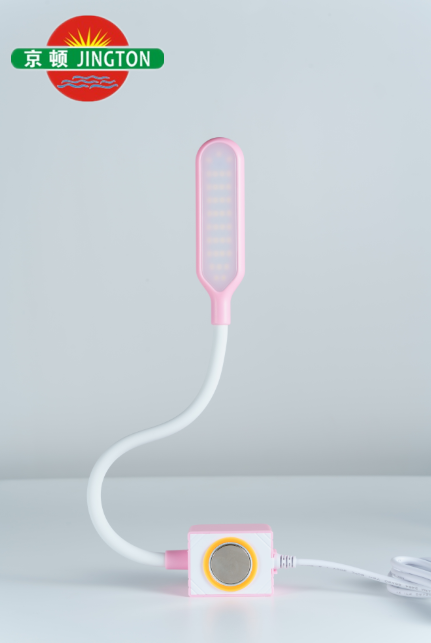
Introduction to Industrial Sewing Lights
Industrial sewing lights play a crucial role in enhancing productivity and precision in garment manufacturing and textile industries. These specialized lighting solutions are designed to provide bright, focused illumination over sewing machines and workstations, reducing eye strain and minimizing errors during intricate stitching tasks. Unlike standard bulbs, industrial sewing lights are engineered for durability, with features like adjustable brightness and long-lasting LED technology that withstand the demands of heavy-duty use.
Key Benefits of Using Industrial Sewing Lights
One of the primary advantages of industrial sewing lights is their ability to illuminate fine details, making it easier for operators to handle delicate fabrics and complex patterns. This targeted lighting ensures that shadows are eliminated, allowing for accurate thread alignment and seam finishing. In fast-paced production environments, such lights contribute to higher efficiency by speeding up workflows without compromising quality. Moreover, many models incorporate energy-efficient designs, which can lower operational costs over time while supporting sustainable practices in the industry.
Choosing the Right Industrial Sewing Light
When selecting an industrial sewing light, consider factors such as mounting options, color temperature, and compatibility with your existing equipment. For instance, lights with a cool white spectrum around 5000K are ideal for detailed work, as they mimic natural daylight and enhance color accuracy. Clamp-on or magnetic attachments make installation straightforward, adapting to various machine setups. It's also wise to opt for models with dimmable features to customize lighting based on the task—brighter for heavy fabrics and softer for lightweight materials. Regular maintenance, like cleaning lenses and checking wiring, ensures optimal performance and longevity.
Applications in Modern Sewing Operations
Industrial sewing lights are indispensable in apparel factories, upholstery workshops, and custom tailoring services. They support a range of activities from prototyping designs to high-volume production runs. In educational settings, such as fashion schools, these lights aid students in mastering sewing techniques under professional-grade illumination. As automation increases in the textile sector, integrating smart industrial sewing lights with sensors can further optimize visibility, adapting automatically to ambient conditions. This evolution not only boosts worker comfort but also aligns with industry trends toward ergonomic and tech-savvy workspaces.
Future Trends and Innovations
Looking ahead, industrial sewing lights are poised for advancements like wireless controls and integration with IoT systems for remote monitoring. Energy-saving innovations, such as solar-powered variants, could emerge to cater to eco-conscious manufacturers. By investing in high-quality industrial sewing lights today, businesses can future-proof their operations, ensuring they remain competitive in a dynamic market. Ultimately, superior lighting is more than an accessory—it's a foundational element that drives excellence in sewing craftsmanship.